I Utter Other (2014–)
Slavs and Tatars
Lecture Performance
Sat., 13.6.2026
19:00–20:00
Safi Faye Hall
In English
Free entry
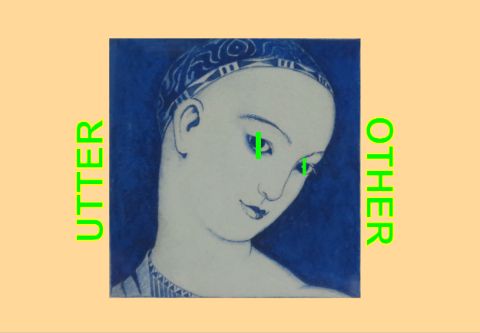
Slavs & Tatars, I Utter Other (2014–), lecture performance. Image: courtesy of the artists
What does it mean for one ‘East’ to look to and at another? Can the romanticized romanticize? From Poles in the service of the Tsar to Persian Presbyterians, through their lecture performance I Utter Other (2014–), Slavs and Tatars examine what they refer to as the curious case of ‘Slavic Orientalism’ in the Russian Empire and early years of the USSR. Slavic Orientalism, the artists suggest, offers a crucial counterpoint if not antecedent to the received wisdom of Saidian Orientalism. Despite the radical transition from Tsarism to Bolshevism, the study of the East in the East complicates notions of identity politics and knowledge in the service of power, offering a coherent post-colonial critique some 60 years avant la lettre.
For this iteration of the work, Slavs and Tatars extend their inquiry into German Orientalism and the propaganda apparatus directed at Muslim Tirailleurs imprisoned in the prisoner of war camp in Wünsdorf, Brandenburg, during the First World War. The lecture performance examines forms of othering and racialized representations of the Tirailleurs within this context, tracing ideological residues that continue to shape discriminatory discourses on migration and belonging today.